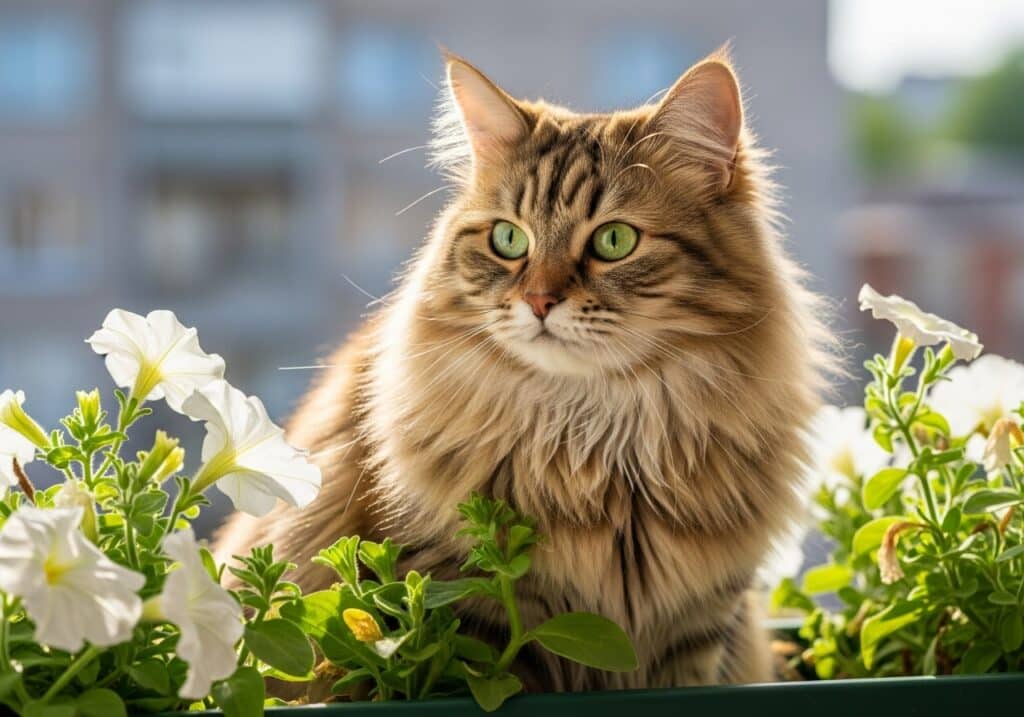
Imagine the purr-fact companion — the soft headbutt, the warm presence at your feet and then the certain sniffles, itchy eyes, and sneezing that follow. This Delima is real for millions of allergy sufferers, that love-for-cats vs. allergic-reaction conflict is painfully real, turning what should be joy into a daily frustration.
For years, people with allergies were told to give up the idea of a cat altogether or handed conflicting advice about “hypoallergenic” breeds. This guide cuts through the noise. We’ll explain the real science behind cat allergies, dispel common myths, and show which factors really matters and which breeds & practices can lower your symptoms. This guide help you to find scientific information, realistic expectation and practical solutions which can you try at home.
At the end of article, you will able to understand what “hypoallergenic” truly means (and what it doesn’t), learn which breeds tend to produce fewer allergens, and get practical, evidence-based strategies you can use at home. The goal is simple: empower you to make an informed choice and create a harmonious, allergy-friendly home for both you and your feline friend.
Understanding the Cat Allergies:
The main culprit of allergy caused by cat is specific protein called Fel d1 that tiggers immune system in sensitive people. Which is produced by cat saliva, skin glands, and urine, is then spread onto fur during grooming; it becomes airborne as dust and dander where it can trigger watery eyes, sniff nose or worse.
Fel d 1: The main Culprit
Fel d 1 is a dominant cat allergen that cause allergy so the reducing exposure to Fel d 1 is the main target in hypoallergenic cat strategy. Fel d 1 is light weight, small and sticky, easily stuck to clothes, furniture’s and travel between rooms to rooms, which is why present where even the cats not found.
Beyond Fel d 1: Other Allergens
There are other allergens as well including Fel d 4 and albumin which can also cause disturbance in sensitive people but the Fel d 1 is the dominant to cause serous problem in people who are allergic.
Debunking Myth:
Not all cats are allergens free, the claims of “hypoallergenic” means low level of allergen not zero percent and the goal is to reduce exposure, not eliminate it entirely.
The breeds which got label low allergen label have Genetic variations impacting Fel d 1 production (produce low amount of Fel d 1) and depends on grooming habits and Coat characteristics (less shedding, different texture).
Factors Effecting Cat Allergen Levels: (Beyond Breeds)
While some breeds are often labelled “hypoallergenic” but the reality is different, allergen production depends on several factors not alone breed which can affect how much Fel d 1 a cat produces and how strongly a person reacts with it.
Sex and Sterilization Status
Male cats usually produce more Fel d 1 than females’ cats. However, neutered males generate significantly lower levels than intact males, making sterilization an important factor in reducing allergen load as allergen stick to skin then transfer so if sterilization done, it can minimize the allergen level.
Age and Color
Kittens typically produce fewer allergens than adults’ cats. Some studies also suggest that darker-colored cats may produce more Fel d 1 than lighter cats, although this research is still limited and ongoing.
Diet and Health
A balanced diet that supports skin and coat health can indirectly reduce shedding and dander, helping to minimize allergen spread.
Use foods specially formulated for skin and coat support because healthier skin can mean fewer allergens released.
Environmental Factors
Allergen levels don’t just depend on the cat; the environment also plays a role. Humidity affects how allergens disperse in the air, while regular cleaning routines (vacuuming, air purifiers, laundry) help keep allergen buildup under control.
Top Hypoallergenic Cat Breed:
All cats produce the Fel d 1 protein that causes most of the allergies but some breeds produce in less amount. So no cat is completely allergen free. Experts stress testing each cat: PetMD advises meeting a potential pet in person to gauge your reaction
In reality, breeds called as hypoallergenic those who sheds or distributes allergens less (e.g. through special coats), but individual sensitivity varies widely.
Siberian:

Siberian cats are large, muscular, long hair and pet friendly breed originated from Russia. Contradictory Siberian are thick triple coated and sheds fur, studies show it still produce less amount of Fel d 1 protein as compare to others. Their allergy levels belong to protein level, not being not shaded. According to Siberian research, one of the studies shows about 50% of Siberians had below-average Fel d1, and roughly 15% produced very low allergen amounts.
Balinese (Long-Haired Siamese):
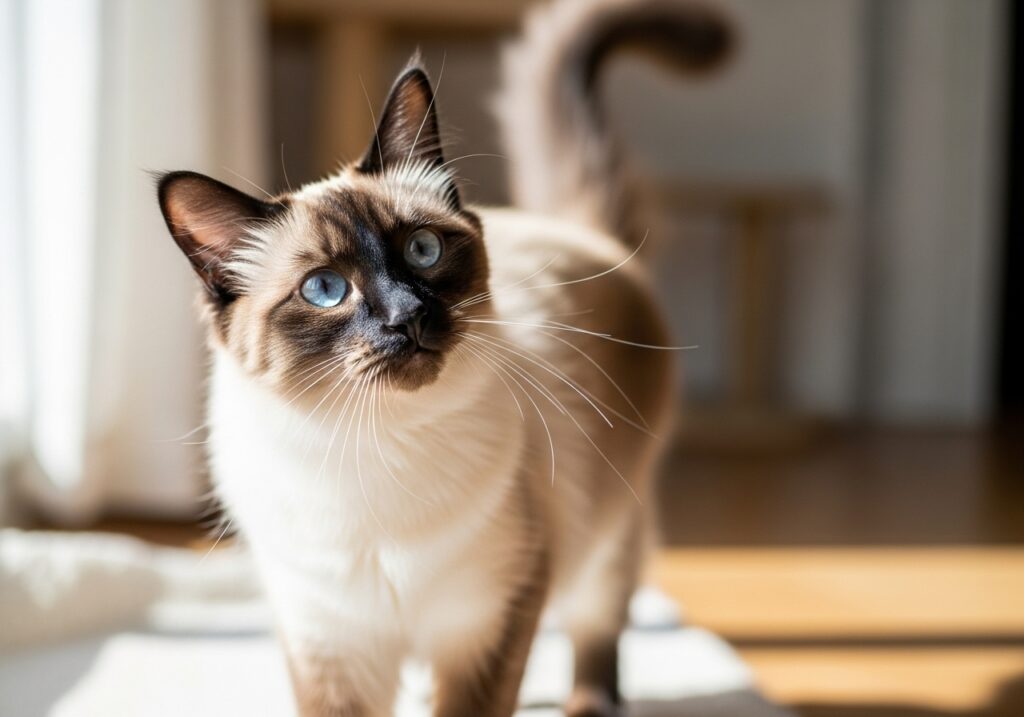
The Balinese cats are long hair version of Siamese. It has Elegant, long-haired but produces less Fel d 1. Also, an intelligent, vocal and outgoing. The cots are fine as compare to other long hair breed. Their fine coats shed lesser than a typical longhair helping to reduce environmental allergens. Weekly brushing keeps it silky and helps to control any shedding.
Oriental Shorthair:
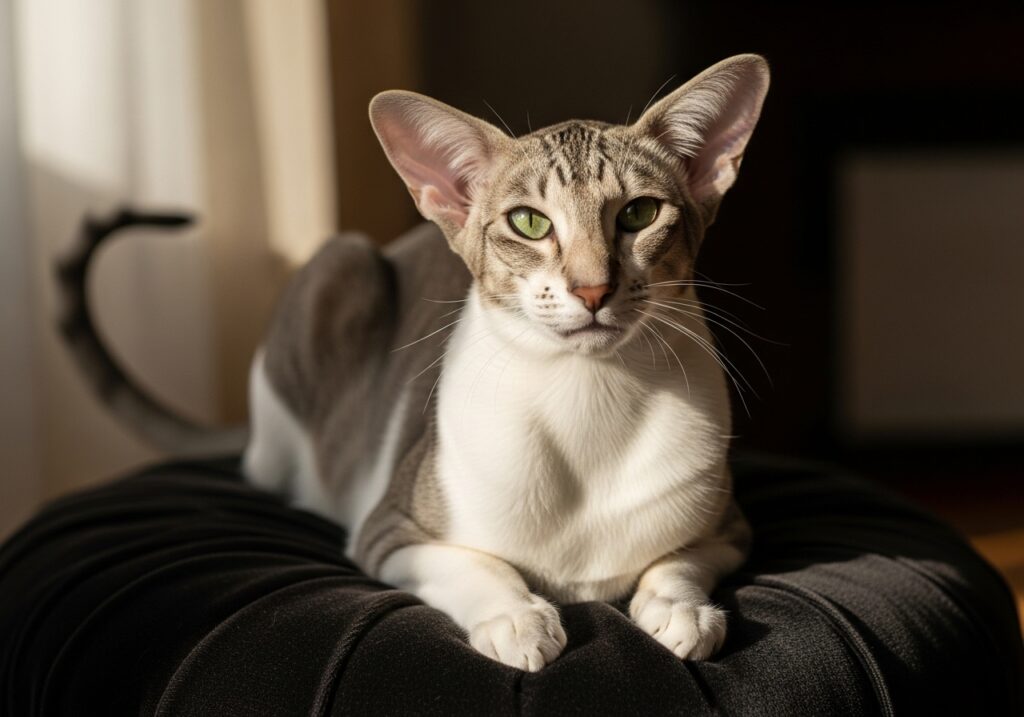
They are sleek, very short & fine coated breed related to the Siamese, coats comes many colours. PetMD notes Oriental Shorthairs are known for being a good allergy-friendly cat because they shed minimally and require very little grooming. Oriental shorthair are active, intelligent, curious and extremely social and playful companions known for a distinctive “honk” like meow.
Sphynx:
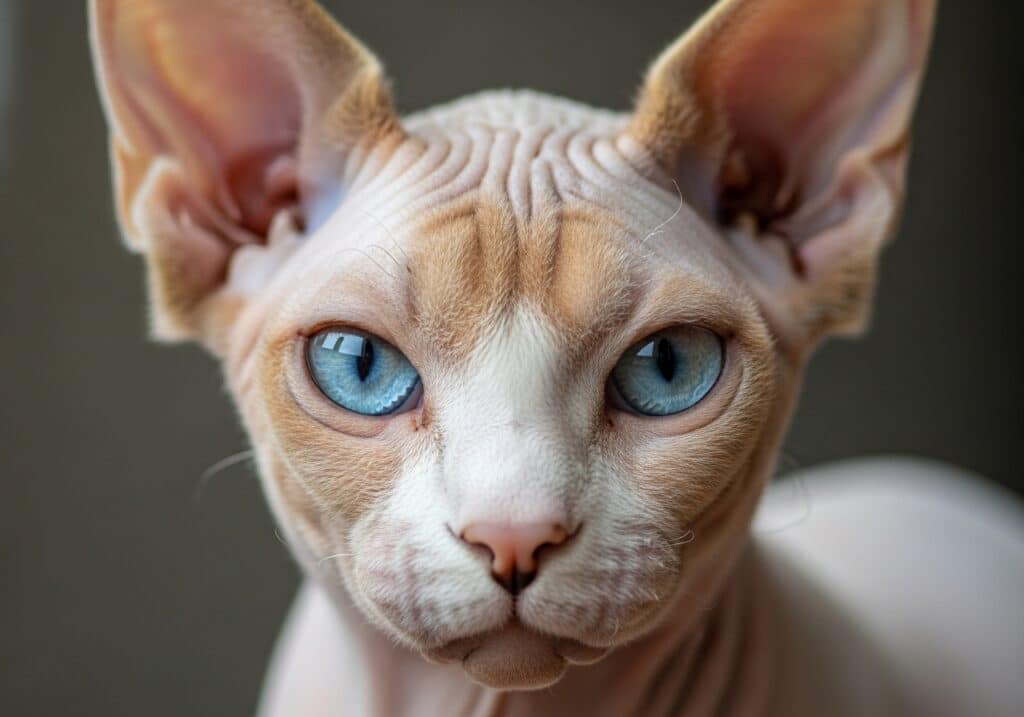
Sphynx are extremely affectionate and attention-seeking breed often greet guest eagerly. Nearly hairless appearance this means fewer allergens tarp on hair but still produces Fel d 1 (on skin and in saliva). Requires frequent bathing. PetMD confirms Sphynx often produce fewer allergens than fluffy breeds. Because their skin is oily, Sphynx require frequent bathing to remove oils.
Devon Rex:
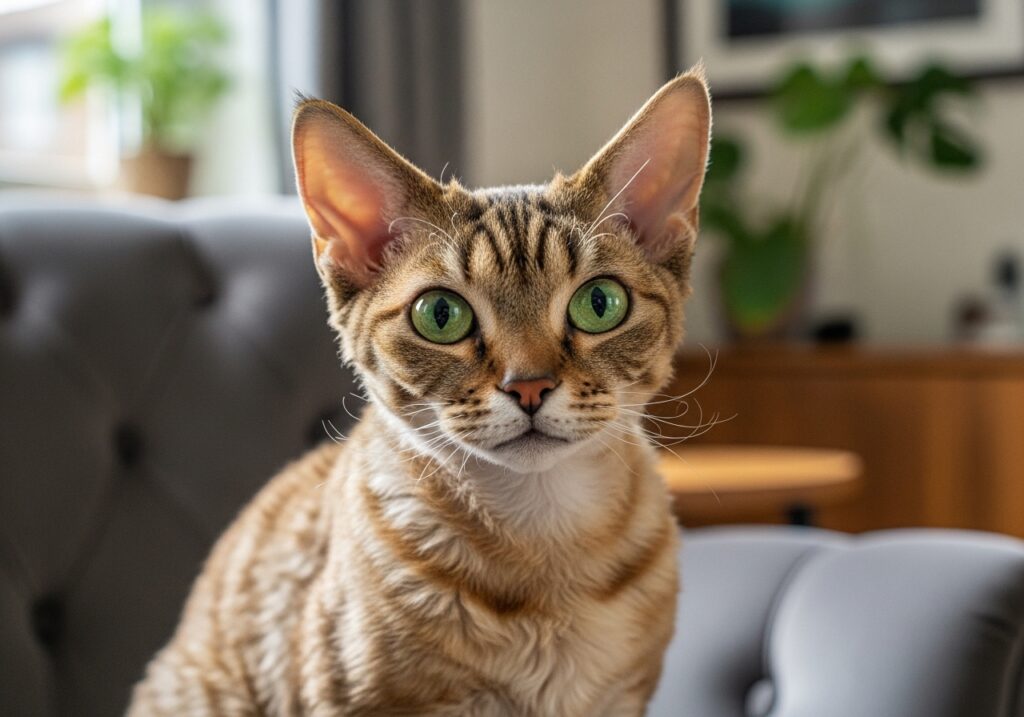
The Devon Rex is a distinctive breed Unique wavy, soft, short coat with less guard hair. its downy fur holds less allergen-filled dander. Breeders also report that many allergy sufferers do well with Devon Rex cats are known as the “pixie” breed. they are playful, mischievous, and loyal
Cornish Rex:
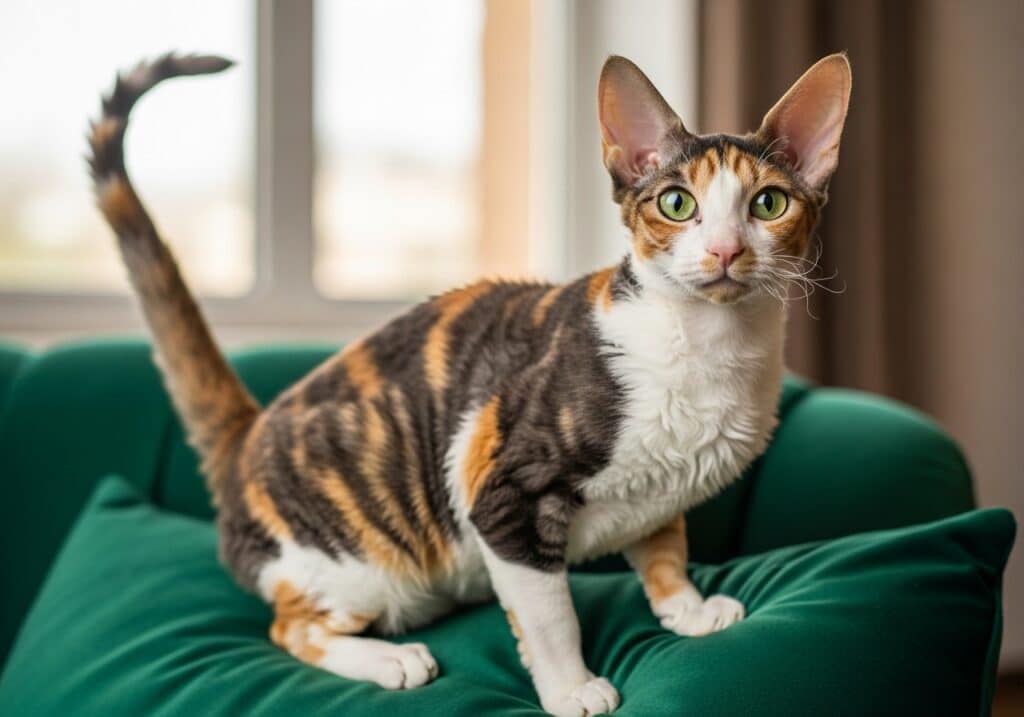
The Cornish Rex Very short, curly coat with no guard hairs. This velvety coat is also cited as “hypoallergenic”, because sheds less dander dur to lack of coarse hair. Cornish are very active, intelligent, and people-oriented form strong bond with their families. Highly Recommended for allergy prone owners.
Russian Blue:
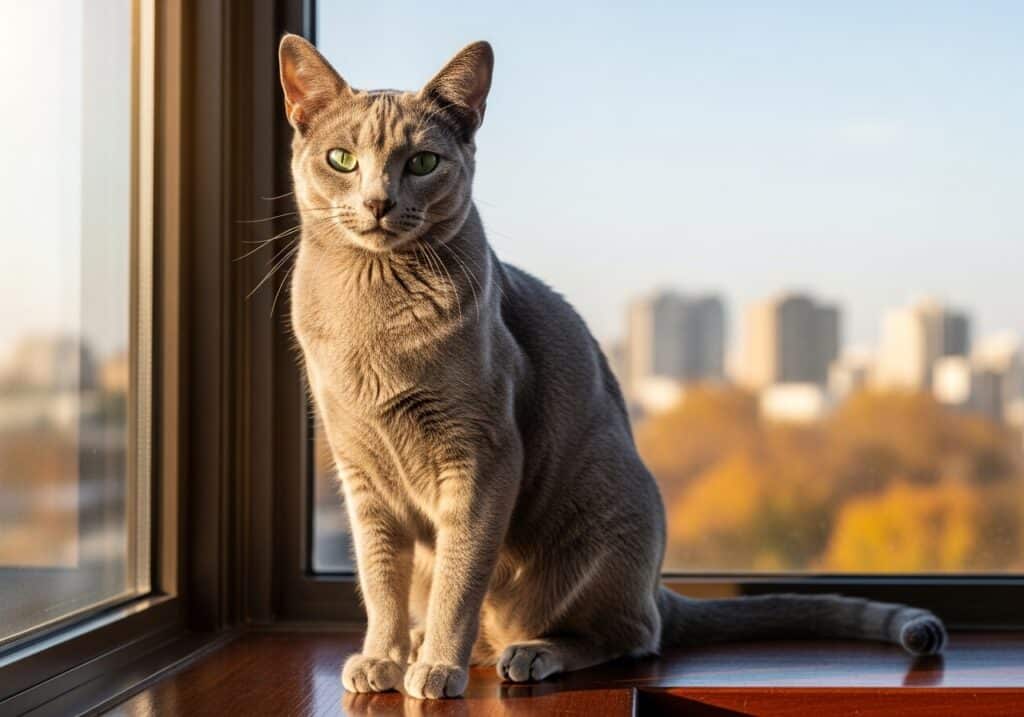
They are graceful medium size cats have dense, short double coat of silvery blue fur, that traps allergens close to the skin. The thick undercoat to trap dander close to the skin reducing airborne allergen. Russian blue is very quiet, gentle, and somewhat reserved. Shed lesser than other breeds so brushing is easy.
Bengal (Controversial):
The Bengal cat is a hybrid breed i.e. leopard cat crossed with domestic cat so it’s also had properties like wild in nature. Bengals have short coat and shed less which makes them hypoallergenic but some experts says that Bengals still produce normal level of Fel d1. So, only advantage of Bengal is low-shedding single layer coat not advantage of having low level of allergen. They are extremely energetic and playful.
Beyond Breeds: Allergy Management Strategy at Home
Fel d 1 is small, sticky, light weight easily transfers from saliva and skin to then accumulates on surfaces, furniture, and clothing because become airborne. Understanding where Fel d 1 lands and how it moves throughout the home, foundation of success.
Environment Control
Cleaning Routines:
Regularly vacuum with a HEPA-filtered vacuum, wash bedding, and clean surfaces to minimize allergen buildup throughout your home. Regularly wash bedding, curtains, and throw, blankets regularly in hot water to eliminate allergens. Wipe down hard surfaces with a damp cloth daily to capture settled Fel d1 rather than stirring it into the air.
Air Filtration:
Purify your environment in order to reduce airborne particles from your surroundings. Use High-Quality Air Filtration Systems like HEPA air purifiers are highly effective at capturing airborne allergens and significantly improving indoor air quality.
We recommended you to use HEPA Air Purifiers (for reducing airborne allergens) with Consideration of HVAC filters (MERV 11-13).
Run purifiers continuously during high-exposure periods for best results.
Creating ‘Cat-Free Zones’:
Create specific areas in your home commonly your bedroom where the cat is not allowed to provide yourself with a consistent allergen-free refuge. Use Allergen-Proof Bedding & Furniture Encasements (for creating allergen-free zones).
Grooming Practices
Implement Regular and Thorough Grooming, Brush your cat frequently (preferably outdoors or by a non-allergic family member) to remove loose fur and dander before it spreads. Regular bathing (with cat-safe, allergen-reducing shampoos) can reduce Fel d 1 on the fur.
Use Allergen-Reducing Cat Shampoos/Wipes for minimizing dander and saliva allergens. Also used Specialized Grooming Tools brushes, deshedding tools to manage shedding and dander.
Litter Box Hygiene:
Use dust-free litter and scoop frequently. Consider placing the litter box in a well-ventilated area away from main living spaces. Frequent scoop-and-surface-cleans lower the chance of allergens spreading from the litter area to your home.
Dietary Interventions:
Discuss with your vet about new cat foods formulated to neutralize Fel d 1 protein in cat saliva, potentially reducing its allergenicity. Some new cat foods and supplements are marketed to reduce Fel d1 in saliva but discuss efficiency and safety with your veterinarian before trying.
Consider a vet-supervised trial of any allergen targeting product and track symptoms systematically in order to prevent any mishap.
How to Prepare for a “Hypoallergenic” Cat: From Testing to Adoption
Personal Allergy Testing
Consult an allergist to confirm a cat allergy and identify specific triggers (skin-prick test or specific IgE blood test). An allergist can quantify sensitivity, explain results, and advise on immunotherapy or medications if appropriate.
A formal test from a credentialed allergist is the most reliable way to understand your personal risk before adopting.
Test Drive of Breed/Cat:
Spend meaningful time, not just a minute for this arrange multiple visits of increasing length start with 1–2 hours, then try a half-day, and if possible, an overnight or foster trial. Repeated exposure in different settings gives a much clearer picture of your reaction.
What to observe (controlled environment):
Track symptoms (sneezing, watery/itchy eyes, nasal congestion, wheeze, skin rash) and their timing; note whether symptoms escalate after contact or within hours. Keep the test area consistent (e.g., same room, same bedding) and avoid confounding exposures (perfumes, pollen).
Have a non-allergic friend or the breeder perform grooming during one visit so you can see how you respond to airborne dander without handling the cat directly.
Finding Your Furry-Match Responsibly
Reputable Breeders:
Find out reputable breeders who are Clean, humane facilities; well-socialized kittens/cats; transparent health records.
Key questions to ask breeders:
Do you perform health testing (genetic or infectious disease screening)?
Can I see parent cats and their living conditions?
Do you allow multiple visits or a short trial/foster period?
Do you provide vaccination, worming, and microchip records?
Do you have any experience with owners who have allergies?
A good breeder will welcome questions and let you spend time with their cats — avoid anyone who resists this.
Rescue Organizations & Shelters:
Adopting from rescue can also be more ethical and cost-effective. Rescue organisation may work with you on trial adoptions and typically disclose behaviour and health history. Adopting from a shelter sometimes house breeds or individuals with lower-allergen profiles (e.g., short coats, older cats).
Ask to spend extended time with a specific cat; request a foster-to-adopt arrangement so you can test tolerance at home. Prioritize adult cats (older cats often produce fewer allergens than kittens).
Key Factors Before Bringing Cat Your Home
Financial commitment: Must be enough financial resources to provide food, routine vet care, vaccines, microchipping, litter, allergy-reducing products (HEPA purifier, special bedding), and possible medical testing or ongoing allergy treatment.
Time commitment: Have enough time to care your cat like regular grooming, cleaning routines, litter maintenance, vet visits, and social time with your cat.
Family agreement & plan: ensure all household members agree to rules (cat-free zones, grooming duties) and create a written allergy management plan (who grooms, who vacuums, emergency contacts, vet info).
Practical checklist: set a 30-day trial plan for household routines (cleaning cadence, grooming schedule, purifier placement) and document symptom tracking to decide if keeping the cat is feasible.
Medical Option to Manage Cat Allergies
In spite of careful home management some peoples with allergy may need medical support to live comfortably with cats. A variety of treatments option are available, ranging from over-the-counter relief to long-term medical interventions.
- Over-the-Counter Solutions: For mild symptoms, non-prescription options are often the first line of defense. Options available: Antihistamines (oral, nasal sprays), Decongestants and Eye drops.
- Prescription Medications: When symptoms are persistent or severe, doctors may recommend stronger medications. Use stronger antihistamines and leukotriene modifiers.
- Immunotherapy (Allergy Shots): For individuals with significant, ongoing reactions, immunotherapy may be considered. Treatment can take months to years and requires close supervision by an allergy specialist.
When to Consult an Allergist:
If symptoms are severe, persistent, or not managed by environmental controls or if you’re considering advanced treatments like immunotherapy, professional guidance is essential. Seek professional medical consultation to understand your specific allergy triggers and explore individualized treatment options, including immunotherapy.
Conclusion:
No, cat is 100% allergy free or hypoallergenic. But the cats who low allergen levels and adoption of effective management strategies make this possible i.e. to prevent allergies to allergy sufferer. Fel d 1 is the primary factor of cat allergy so understanding about this and its spreading property is the key to management of allergen.
A multi-faceted approach including the choose of hypoallergenic breed, home environment management i.e. use of air filters, proper cleaning, washing and moping reduce the effect of airborne particles. Personal care also play role in management of the allergy. All these factors combine to make most effective control of cat allergies.
Frequently Asked Question:
Is hairless Cat like a Sphynx truly allergy free?
Hairless cats don’t shed dander trapped in fur. However still produce Fel d 1 protein in their saliva and skin oils, which can cause allergic reactions. They require regular bathing to remove these allergens from their skin.
How much do ‘hypoallergenic’ cats’ cost?
‘Hypoallergenic’ breeds are often pure-blooded and can be more expensive than other cats breeds, ranging from $1,000 to $3,000+ depending on the breed, lineage, and breeder. Rescue options may be significantly less expensive.
Is it ethical to rehome a cat if allergies are severe?
Making a rehoming decision is difficult and emotionally challenging. It’s crucial to exhaust all management strategies and consult with medical professionals first. If rehoming is unavoidable, prioritize finding a loving, safe home for your cat, ideally through a reputable rescue or shelter that can properly vet new owners.
Can kittens cause allergies?
Kittens generally produce fewer allergens than adult cats, which can sometimes give a false sense of security. As they mature, their allergen production increases. It’s important to consider adult allergen levels when assessing suitability.
Are there allergy shots for cat allergies?
Yes, immunotherapy (allergy shots) is a treatment option for cat allergies. It involves a series of injections over time to gradually desensitize your immune system to cat allergens. This should be discussed with a qualified allergist.